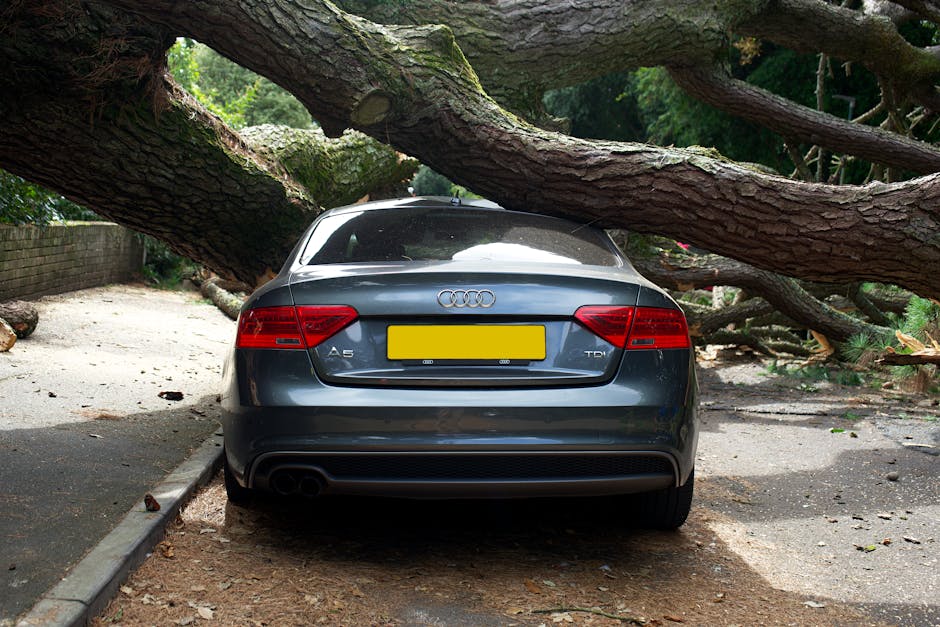
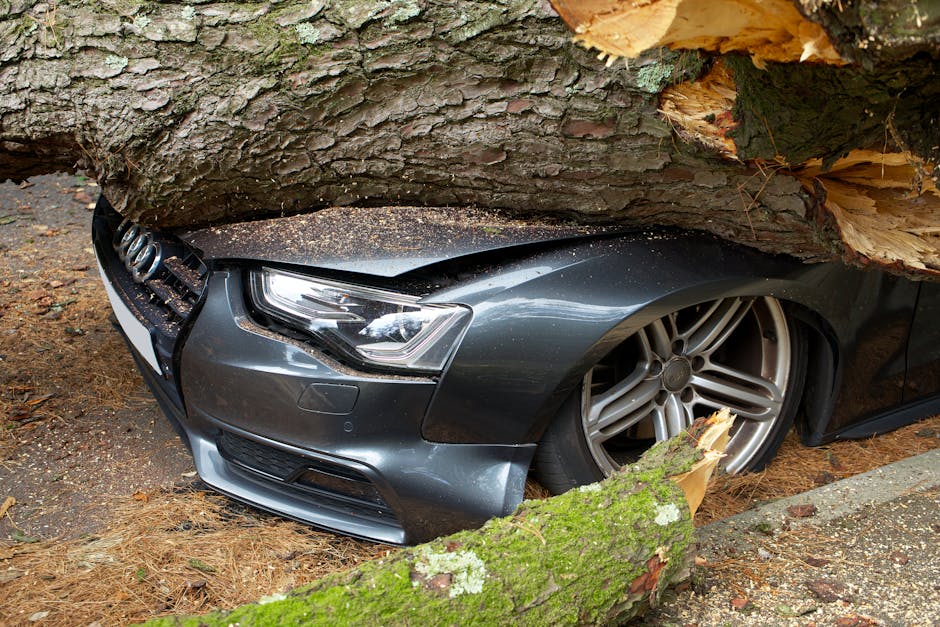
Same day Blackheath gardeners for urgent storm damage clearance
Storms can turn a tidy garden into a messy, stressful problem in a matter of minutes. One hour the borders are fine, the next you've got snapped branches, scattered fence panels, waterlogged paths, and a driveway buried under leaves and debris. If you need same day Blackheath gardeners for urgent storm damage clearance, the goal is simple: make the garden safe, usable, and easier to live with again, as quickly as possible.
This guide explains what urgent clearance usually involves, how fast-response garden teams work, what to expect on the day, and how to judge whether a quick tidy is enough or whether you need more specialist help. It also covers common mistakes, practical checks, and the sort of local, no-nonsense planning that saves time when the weather has already done enough damage for one day.
Truth be told, most people don't start searching for emergency garden help on a calm afternoon. They search after a branch has dropped across a path, when the fence is leaning oddly at 7am, or when the back garden is simply no longer safe for children, pets, or anyone carrying bins through the side passage. That's exactly the situation this article is written for.
For a fuller overview of what a professional team can handle across the area, you may also find the services overview useful, especially if the storm damage has affected more than one part of the garden.
Table of Contents
- Why same day storm damage clearance matters
- How urgent clearance works in practice
- Key benefits and practical advantages
- Who this is for and when it makes sense
- Step-by-step guidance
- Expert tips for better results
- Common mistakes to avoid
- Tools, resources and recommendations
- Law, compliance, standards, or best practice
- Options, methods, or comparison table
- Case study or real-world example
- Practical checklist
- Conclusion
- Frequently asked questions
Why Same day Blackheath gardeners for urgent storm damage clearance Matters
Storm damage is rarely just an eyesore. It can create genuine safety issues, block access, and cause secondary problems if left sitting for too long. A loose branch over a footpath can shift with the wind. Wet leaves can make paving slippery. Broken trellis panels can pull on climbers or strain neighbouring structures. And if a hedge or tree has partially collapsed, the weight may continue to move after the initial storm has passed.
In Blackheath, many gardens have narrow side access, mature planting, fences that take a fair bit of weather, and older timber features that don't always enjoy a winter blast. So when a storm hits, speed matters. Not just because you want the place to look decent again, but because the longer debris stays put, the harder it becomes to clear cleanly. Mud gets trampled in. Rot starts in damaged timber. Broken material gets tangled in plants that could otherwise have been saved.
Same day response is especially helpful when you need the garden usable before school runs, weekend visitors, bin day, or a property viewing. It's also useful after heavy rain followed by wind, when the mix of water and debris creates awkward, heavier waste than a normal tidy-up. To be fair, a storm rarely does one single thing well; it usually causes several small headaches at once.
If the damage is broad rather than isolated, a targeted garden clearance service can often be the most efficient starting point. If you also need longer-term resilience once the immediate mess is dealt with, the team's garden maintenance page is worth a look later on.
Practical takeaway: urgent storm clearance is not just about "making it neat". It is about reducing risk, protecting healthy plants where possible, and stopping small storm problems from turning into expensive follow-on work.
How Same day Blackheath gardeners for urgent storm damage clearance Works
The process is usually more straightforward than people expect. A good urgent garden team will ask a few quick questions, assess the likely scale of the work, and decide what can be done safely on the same day. If the situation is simple enough, they'll arrive with the tools and waste-loading setup needed to clear debris without unnecessary delay.
What the first conversation usually covers
When you get in touch, the team will normally want to know:
- What kind of damage has happened: fallen branches, uprooted shrubs, broken fencing, scattered garden waste, or blocked access
- Whether there are any immediate hazards such as hanging limbs, unstable structures, or exposed sharp timber
- How easy it is to access the rear garden
- Whether the job looks like a clearance only job or whether it may involve tree work or structural repair
- Whether photos can be sent to help with a quick assessment
That last point really helps. A couple of clear photos in daylight can save time, and sometimes a bit of uncertainty too. If the garden looks worse than it is, the team may still be able to reassure you. If it looks manageable but has hidden risks, they can flag that before anyone turns up and has to improvise in the rain. Nobody enjoys that.
What happens on site
Same day storm clearance usually begins with a safety check. The team will look at what is loose, what is stable, and what needs to be removed first. They may section off areas, move debris in stages, and separate green waste from timber and general rubbish where possible. That makes disposal easier and keeps the garden from becoming muddier than it already is.
Depending on the damage, work may include:
- Cutting up and removing fallen branches
- Collecting leaves, twigs, and blown-in debris
- Clearing damaged plant material
- Removing broken fencing or panels if it is safe to do so
- Making overgrown or tangled areas accessible again
- Neatening paths, patios, and borders after the main clearance
Sometimes the job ends there. Sometimes it is the first stage of something bigger. For example, if a storm has toppled a small tree or left a large limb hanging awkwardly, a specialist like tree lopping and removal may be the better next step, or at least part of the same visit if the team is equipped for it.
In our experience, the best urgent jobs are the ones where everyone is clear about the priority: make safe first, tidy second, and worry about the perfect finish later. That order matters.
Key Benefits and Practical Advantages
People often think the main benefit is speed. It is, of course. But speed is only one piece of the puzzle.
- Reduced risk: less chance of slips, trips, cuts, or further damage from unstable debris
- Faster access: easier movement through side returns, paths, gates, and entrances
- Cleaner recovery: the longer a storm mess sits, the more it gets compacted into soil and planting beds
- Better decision-making: once the clutter is removed, you can see what actually needs repair
- Less stress: when the garden is a mess, it can feel bigger than it is; a quick clear-out calms the whole space down
- Protection for healthy planting: a careful team can often save shrubs, supports, and rooted material that might otherwise be lost
There is also a quieter benefit that people sometimes miss: a sense of control. After a storm, that matters. You open the back door and see broken branches, soil splashed across the patio, and a fence panel at a strange angle. It's annoying, yes, but it is also mentally noisy. A same day visit strips away some of that noise. The place starts to feel like your garden again.
If the storm has exposed weak spots in the broader layout, it may also be worth thinking about future improvements through landscaping or landscape gardening, especially where drainage, planting structure, or boundary resilience could be improved.
Who This Is For and When It Makes Sense
This kind of service is useful for a wider group of people than you might think. It is not only for homeowners with large gardens and dramatic tree damage. Quite the opposite.
It makes sense if you are:
- A homeowner who needs fast garden clearance after wind, rain, or fallen debris
- A landlord preparing a property after storm damage before tenants return
- A letting agent or property manager trying to make a space safe quickly
- A busy family that cannot spend a full weekend clearing branches and wet leaves
- A retired homeowner who wants the work done safely without handling heavy waste
- Anyone with access issues, a steep garden, or awkward debris that is hard to move by hand
It also makes sense if the damage is a combination problem. For instance, a storm may have torn through a hedge, dropped material onto the lawn, and bent a fence panel. In that case, you may need more than one type of support: perhaps hedge tidying, debris removal, and a follow-up maintenance visit. A service like hedge trimming can be useful once the urgent mess is gone and the planting has been stabilised.
On the other hand, if the issue is mostly cosmetic and the garden remains safe, you may not need same day intervention at all. That is worth saying clearly. Not every wet, messy garden is an emergency. Sometimes a sensible next-day or planned visit is better, calmer, and more cost-effective.
Step-by-Step Guidance
If a storm has just passed and you need to act quickly, here's a practical sequence that usually works well.
- Check for immediate danger. Stay clear of hanging branches, leaning structures, exposed wires, and anything unstable. If there is a serious hazard, do not try to "just move it" yourself.
- Take a few photos. Snap the main problem areas from a safe distance. These help with assessment and keep the conversation efficient.
- List the main priorities. For example: clear access to the back gate, remove fallen branches from the lawn, make the patio safe, and deal with broken fence timber.
- Speak to a local garden team. Explain the urgency in plain language. You do not need to write a novel. A short, clear description is better.
- Ask what can be done today. Some jobs are fully cleared on the same day; others need an initial safe tidy with follow-up work later.
- Confirm what waste will be removed. Green waste, timber, and mixed debris may be handled differently. This affects time, loading, and disposal.
- Prepare access. Move cars if needed, unlock side gates, and keep pets and children away from the work area.
- Review the finished area. Walk through the garden with the team if possible. Check that the obvious hazards are gone and that you understand what has been left for later.
There is a nice rhythm to a well-handled urgent clearance job: assess, make safe, remove, tidy, then step back. Simple. Not always easy, but simple.
Expert Tips for Better Results
A few small choices can make a big difference to the outcome.
1. Focus on safety before perfection
If a branch is partly snapped but still attached, do not try to drag it out with brute force. That's where people get into trouble. Let the team decide how to release it safely. A slightly rough-looking garden that is safe is better than a neat garden that still has hidden hazards.
2. Separate what is urgent from what can wait
It helps to distinguish between immediate clearance and follow-up jobs. Fallen debris, broken access, and unstable timber belong in the urgent category. Replanting, border reshaping, and deeper tidy-up work can usually wait for another visit.
3. Keep a little room for wet-weather reality
After a storm, everything takes longer. Leaves are slippery. Branches are heavier. Soil sticks. Even the wheelbarrow seems to complain. So if you're planning the job yourself or trying to understand a quote, factor in a bit of extra time. That's just life after rough weather.
4. Ask about what can be saved
A careful team won't only remove material; they'll also notice what can stay. A damaged climber may recover. A shrub may need support rather than removal. A border edge may just need a clean release from piled debris. That judgement saves money and preserves the garden's shape.
5. Think beyond the first clear-up
Once the garden is safe, it may be worth investing in routine care so the next storm has less to work with. Good maintenance, regular hedge work, and sensible pruning all reduce future headaches. Sometimes the real fix is not dramatic. It's a steady one.
And yes, the boring stuff often turns out to be the smart stuff. Gardens are funny like that.
Common Mistakes to Avoid
Storm damage creates a bit of a panic, and panic leads to questionable decisions. Here are the ones we see most often.
- Trying to clear large branches alone: a branch may look light from a distance and turn awkward once lifted
- Ignoring unstable structures: damaged trellis, fencing, or edging can collapse after the weather has passed
- Waiting too long: wet debris gets heavier, slippier, and harder to separate cleanly
- Mixing useful planting with waste: some garden material can be saved or cut back rather than thrown out
- Assuming all garden teams do the same work: some are better suited to clearance, others to pruning, others to structural garden jobs
- Forgetting about access: a blocked side gate or locked rear entry can slow everything down
One of the biggest mistakes is under-communicating. If there is a hanging branch, say so. If the fence is unstable, say so. If there is limited access or a narrow passage, say so. That clarity helps the team bring the right kit and decide whether the job is suitable for same day attendance.
Tools, Resources and Recommendations
You do not need a van full of equipment to understand what good storm clearance looks like, but it helps to know what is normally used and why.
Common tools on a clearance job
- Hand saws and pruning tools for manageable branches
- Secateurs for smaller snapped stems and damaged growth
- Rakes, brooms, and leaf collection tools
- Wheelbarrows or carriers for moving waste out efficiently
- Tarps or sheets to keep debris grouped and reduce mess
- Protective gloves and safety gear for sharp or wet material
For the homeowner, the most useful "resource" is honestly a clear brief. A few photos, a short explanation, and honest detail about access problems will help more than a long email packed with guesswork.
If the storm damage has also damaged timber features or decked areas, it may be sensible to ask whether the work touches on decking services as part of a broader repair conversation. Storms can lift loose boards, expose slips, or leave surfaces a bit unstable. Not always, but enough to check.
Where waste is being removed, many people also like to know it will be dealt with responsibly. A service that is clear about recycling and sustainability can be a good fit if you care about how green waste is handled after collection.
Law, Compliance, Standards, or Best Practice
For storm clearance, the main thing to understand is that safety and responsibility come first. If branches, broken fencing, or unstable structures could injure someone, it is sensible to treat the garden as a work area, not a place to improvise. In practical terms, that means using proper protective equipment, avoiding unsafe access, and not forcing a job that needs specialist handling.
In the UK, garden and tree work may sometimes overlap with health and safety expectations, insurance considerations, waste handling norms, and property boundaries. The exact obligations depend on what is being done and where. A trusted local team should be able to explain how they work, what they can safely remove, and what may need a separate specialist or follow-up visit.
For customers, best practice is straightforward:
- Do not walk under hanging branches or damaged supports
- Keep children and pets away until the area is safe
- Do not lift heavy, wet, or awkward debris without help
- Make sure any contractor is clear about insurance and safety practice
- Use written or clear verbal agreement on what the same day visit includes
If you want more detail on how a business approaches safe working, it is reasonable to review its health and safety policy and insurance and safety information before work begins. That is not being fussy. It is just sensible.
There may also be service terms, payment expectations, and job scope details worth checking ahead of time through the site's terms and conditions and payment and security pages.
Options, Methods, or Comparison Table
Not every storm cleanup needs the same approach. Sometimes a quick tidy is enough. Sometimes the site needs a much more careful response. Here's a simple comparison.
| Approach | Best for | Typical advantage | Watch-outs |
|---|---|---|---|
| Light same day tidy | Leaves, small branches, blown-in debris, access paths | Fast, cost-effective, gets the garden back to normal quickly | Not suitable for hanging limbs or unstable structures |
| Urgent clearance with safety focus | Moderate storm damage, broken borders, cluttered garden zones | Makes the area safe and usable on the day | May leave deeper repair work for later |
| Specialist tree-led response | Large limbs, toppled trees, major canopy damage | Better for higher-risk or heavier material | May require more planning and specific equipment |
| Follow-up restoration | Gardens that need replanting, reshaping, or structural attention | Helps rebuild the garden properly after the emergency | Not immediate; depends on what the storm damaged |
If you are unsure which route you need, that is normal. A decent same day team will usually be able to tell you quickly whether your issue is a clearance job, a pruning job, or something that needs a broader gardening or landscaping response.
Case Study or Real-World Example
A typical example is a back garden after a windy night: a medium branch has broken from a tree, several smaller limbs are scattered across the lawn, a gate is partly blocked, and a border is covered in leaves and wet bark. Nothing dramatic enough for panic, but enough to make the space awkward and a little unsafe.
In that situation, the immediate aim would usually be to clear the access route first, remove the branch sections, and collect the loose debris before it gets trodden into the lawn. If the broken branch has pulled at the tree in a way that leaves another limb unstable, the team may recommend a separate tree work follow-up rather than forcing everything into one rushed visit. That's the sensible line, really.
After the initial clearance, the garden might still look a bit weary. That is normal. You may see exposed soil where debris sat, flattened grass, or a hedge that has taken a knock. A follow-up maintenance visit can tidy the final details, and in some cases the lawn may benefit from a later pass through lawn mowing once conditions are dry enough to do it properly.
The best outcome is not always a perfect garden in one go. More often, it is a safe garden today and a better garden over the next week or two. That's a very workable result.
Practical Checklist
Use this quick checklist if you are arranging urgent storm damage clearance today.
- Check for immediate hazards before stepping outside
- Keep children and pets away from damaged areas
- Take photos from a safe distance
- Note any hanging branches, unstable panels, or blocked access points
- Confirm whether the team can attend the same day
- Tell them if access is narrow, wet, locked, or difficult
- Ask what waste will be removed and what may be left for follow-up
- Make sure the work scope is clear before the team begins
- Review the finished area once the main clearance is complete
- Plan any deeper pruning, repair, or restoration as a separate step if needed
Useful reminder: a calm, clear checklist beats a rushed garden rescue every time. Even when the weather has been less than kind.
Conclusion
Same day Blackheath gardeners for urgent storm damage clearance are there to take a messy, stressful situation and make it manageable again. The job is part safety, part practicality, and part reassurance. You want the space cleared, the hazards removed, and enough done on the day to stop the problem from spreading.
What matters most is choosing the right level of response. Sometimes that means a quick debris removal. Sometimes it means a more careful safety-led clearance. Sometimes it means bringing in specialist tree work or planning a follow-up restoration once the immediate mess has gone. No drama. Just the right job, done in the right order.
If you are dealing with storm debris now, start with safety, be clear about what you need, and ask for help sooner rather than later. Gardens recover best when the first response is calm and sensible, even if the weather was anything but.
Get a free quote today and see how much you can save.
Frequently Asked Questions
How quickly can same day storm damage clearance usually happen?
It depends on the time of day, the size of the job, access to the property, and how severe the damage is. Small-to-moderate clearance jobs are often the easiest to schedule on the same day, especially when photos and a clear description are available early.
What counts as urgent storm damage in a garden?
Anything that makes the space unsafe or hard to access can count as urgent. Common examples include fallen branches, hanging limbs, broken fence panels, blocked side access, and debris covering paths or patios.
Can a gardener remove fallen branches the same day?
Yes, if the branches are safe to handle and the job can be completed without specialist tree equipment. If the branch is large, unstable, or still attached, the team may need to treat it as a higher-risk task.
Do I need to be at home during the clearance?
Usually it is best if someone is available at the start to confirm the work scope and access, though this can vary. The key thing is that the team can safely reach the garden and understands what needs to be done.
What should I photograph before I call for help?
Take clear pictures of the main damage, any blocked access, and anything that looks unstable. Keep your distance if the area is unsafe. The goal is to help with assessment, not to get a perfect shot.
Is storm damage clearance the same as garden clearance?
They overlap, but they are not quite the same. Storm damage clearance is usually more urgent and safety-led, while general garden clearance is often planned for tidying, reclaiming space, or removing accumulated waste.
What if the storm has damaged my hedge as well?
If the hedge is shredded, bent, or left uneven, it may need a follow-up trim once it is safe to work on. In some cases, a lighter tidy is possible straight away, but damaged hedging often looks better after a second, calmer pass.
Can urgent clearance help if a tree has dropped a large limb?
Sometimes yes, but large limbs and unstable tree damage may need specialist attention. That is where a team with tree-related services is useful, because they can judge whether it is a clearance job or something more serious.
Will the team take away all the waste?
That should be confirmed before work begins. Some jobs include full removal of green waste and debris, while others may separate material for different handling. Clear communication avoids awkward surprises later.
How much does same day storm damage clearance cost?
Pricing varies depending on the amount of debris, access, time required, and whether specialist work is needed. The safest approach is to ask for a tailored quote rather than assume a flat rate will fit every job.
Is it safe to clear storm debris myself?
Only for light, obviously safe material. If there are hanging branches, unstable panels, slippery surfaces, or heavy wet debris, it is much safer to leave it to a trained team. Let's face it, gardens can look less dangerous than they really are after bad weather.
What should I do after the urgent clearance is finished?
Walk through the area, check that access is clear, and note anything that still needs repair or follow-up. If the storm exposed weak planting, damaged fencing, or tired garden structure, planning a later maintenance or landscaping visit is often a smart next step.