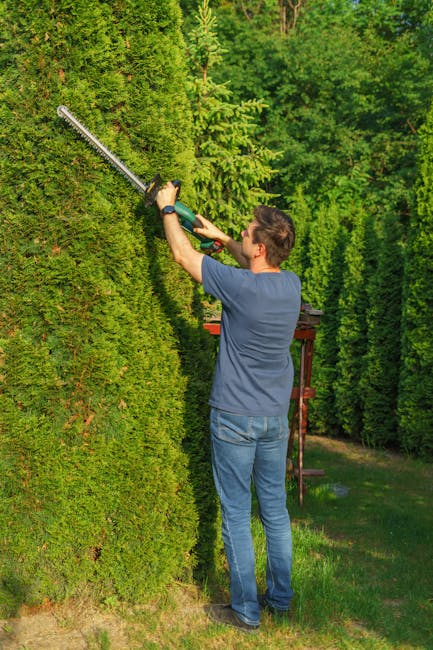
Gardeners near Blackheath Station pruning and hedge care
If you live or work close to Blackheath Station, you already know how quickly a tidy garden can slip into looking a bit unruly. One wet week, a burst of spring growth, and suddenly hedges are leaning over paths, shrubs are shading windows, and everything feels slightly less cared for. That is where gardeners near Blackheath Station pruning and hedge care become genuinely useful: not just for making things look neat, but for keeping plants healthy, boundaries clear, and maintenance manageable over time.
This guide breaks down what pruning and hedge care actually involve, how a good service works, what to watch out for, and when it makes sense to bring in professional help. It also covers practical steps, common mistakes, local considerations, and how to judge whether you need a one-off tidy-up or ongoing support through garden maintenance or hedge trimming. No fluff. Just the useful stuff.
Practical summary: if your hedges are blocking light, spilling onto pavements, or growing unevenly, careful pruning now can save you a lot of frustration later. The best results usually come from light, regular attention rather than one dramatic cut once a year. Simple, but true.
Maybe you have a front hedge that looks fine from a distance but has started thinning at the base. Or a mixed border where one shrub has become a bit too enthusiastic, to put it politely. These are the kinds of jobs where thoughtful pruning makes a big difference. And if you are comparing local options, it helps to understand the work before you book it.
Table of Contents
- Why pruning and hedge care matters
- How the work works in practice
- Key benefits and practical advantages
- Who needs this service and when
- Step-by-step guidance
- Expert tips for better results
- Common mistakes to avoid
- Tools, resources and recommendations
- Law, compliance, standards and best practice
- Options, methods and comparison
- Case study
- Practical checklist
- Conclusion
- Frequently asked questions
Why Gardeners near Blackheath Station pruning and hedge care Matters
Good pruning is not just about tidiness. It shapes the way a plant grows, helps air move through the canopy, and removes weak, damaged, or crossing growth before it becomes a bigger problem. Hedge care does the same job at a larger scale. A well-kept hedge can define a boundary, soften a frontage, reduce street-level mess, and make a property feel cared for without looking overworked.
Near Blackheath Station, gardens often face a familiar mix of challenges: limited space, lots of foot traffic, narrow side access, and neighbours close by. That means overgrown hedges are more than a visual issue. They can narrow paths, create shade where you do not want it, and make basic maintenance awkward. In that setting, regular attention from experienced gardeners is not a luxury. It is often the difference between a garden that feels calm and one that becomes a chore.
There is also the plant-health side, which people sometimes miss. A hedge that is cut poorly can develop bare patches, weak outer growth, and uneven density. Shrubs that are pruned at the wrong time can lose flowers, fruit, or their natural shape. The point is not to cut everything hard and hope for the best. It is to work with the plant, not against it. Bit by bit, season by season.
For many homeowners and landlords, this matters because outdoor presentation affects how a property is experienced. A neat hedge frames a house properly. It gives that quiet sense of order you notice when you walk up the path, hear the clipped stems being cleared away, and the whole place just breathes a little easier. A small thing? Perhaps. But a real one.
If your garden is part of a broader upkeep plan, pruning also sits naturally alongside lawn mowing, seasonal tidy-ups, and selective clearance through garden clearance. It all connects.
How Gardeners near Blackheath Station pruning and hedge care Works
In practice, a proper pruning and hedge care visit usually starts with a quick assessment. A good gardener will look at the plant type, age, shape, density, access, and any obvious issues such as deadwood, disease, or awkward encroachment. That first look matters more than people think. A hedge is not just a hedge, after all. Laurel, beech, privet, hawthorn, box, yew, mixed shrubs - they all respond differently.
The next step is deciding the method. Light formative pruning may be used on younger shrubs to encourage stronger structure. Routine hedge trimming keeps the surface neat and controlled. Selective pruning removes only the parts that are causing problems: old stems, crossing branches, storm damage, or growth that is blocking light and airflow. With larger hedges, an experienced team may work section by section, shaping the line carefully rather than chasing perfection in one aggressive pass.
Hedge care also includes the less glamorous bits. Clearing trimmings, checking fence lines, making sure cuts are clean, and keeping paths usable while work is underway. Sounds basic, but these details are what separate a tidy job from a frustrating one. Nobody wants cuttings stuck in the border for weeks. Been there, seen that.
Depending on what the garden needs, pruning may sit within a broader package that includes services overview planning, seasonal maintenance visits, or wider improvements through landscaping and landscape gardening. That matters if your hedge care is tied to access, privacy, planting structure, or the overall feel of the space.
For taller or more established growth, some jobs may overlap with tree-related work. If branches are becoming hazardous or shading a boundary heavily, it may be worth looking at tree lopping and removal as part of the wider plan. Not every overgrown branch needs drastic action, though. Often it just needs the right cut at the right time.
Key Benefits and Practical Advantages
The obvious benefit is appearance. A clean hedge line looks crisp, frames the property well, and instantly improves the first impression. But the practical gains go much deeper than that. Here are the ones that really matter.
- Healthier growth: pruning helps remove weak or dead material and encourages stronger shoots.
- Better light and airflow: this reduces damp pockets and helps plants stay in better condition.
- Clearer boundaries: hedges stay where they should, rather than spilling onto walkways or neighbouring plots.
- Less long-term work: regular care usually means smaller jobs, less waste, and fewer emergency cutbacks.
- Improved access: paths, gates, windows, and side returns remain usable.
- Better property presentation: especially useful for rented homes, front gardens, and visible corner plots.
There is another benefit that does not always get enough attention: predictability. When hedges are maintained regularly, you can plan around them. You know roughly how much growth to expect. You know which areas need shaping and which can be left alone. That makes budgeting, scheduling, and general garden planning much less stressful.
For some households, hedge care is also part of a broader routine that keeps the whole outside space workable. If the garden feels overcrowded, combining pruning with garden maintenance can be a sensible move rather than dealing with one problem at a time.
Expert takeaway: the best hedge care is usually subtle. If a hedge looks "obviously cut", the work may already be too heavy. Good pruning should leave the plant looking balanced, not shocked.
Who This Is For and When It Makes Sense
This kind of service suits a wide range of people, and not only homeowners with large gardens. In fact, some of the most common clients are people with modest outdoor space who simply do not have the tools, time, or confidence to manage hedges properly.
You may need help if:
- your hedge has grown above the height you can safely reach;
- branches are blocking paths, driveways, or windows;
- the hedge looks thin, patchy, or uneven;
- you want a smarter boundary line before selling or letting a property;
- you have just moved in and inherited an overgrown garden;
- your shrubs need shaping after a period of weather stress or neglect;
- you want routine care rather than last-minute cutting.
It also makes sense for people who prefer an orderly garden but do not want to spend every weekend fighting growth. Truth be told, hedge care has a way of eating an afternoon. You start with one section, then notice another, then the ladder comes out, then the bin bags fill up. And suddenly it is four o'clock and the tea has gone cold.
If you are unsure whether your garden needs a one-off tidy or ongoing support, start by comparing the condition of the hedge after a normal growing season. If it has gone from neat to awkward in a matter of weeks, regular care is probably the better fit. If it is a general mess after a long gap, a larger reset may be needed first.
Step-by-Step Guidance
Here is a simple way to think about the process of professional pruning and hedge care. This is not about turning you into a gardener overnight. It is about helping you understand what good work looks like.
- Inspect the hedge or shrub line. Check for dead growth, crossing stems, disease, low branches, and uneven density.
- Identify the plant type. Different species need different timing and cutting styles. That part matters more than most people realise.
- Choose the right approach. Light trim, selective pruning, formative shaping, or corrective cutback may each be appropriate in different areas.
- Set the shape and boundaries. Decide the height, width, and line you want to maintain. A hedge without a clear finish often drifts outwards again.
- Cut carefully and incrementally. Trimming a little, checking the line, then continuing is often safer than taking too much off at once.
- Clear debris as you go. This keeps the work tidy and prevents damage to lawns, borders, or paved paths.
- Review the finish. Step back and look at the hedge from different angles, including from the street and from inside the house.
That final review is worth doing. A hedge can seem perfectly level up close and oddly lopsided from ten metres away. Garden work has a funny way of revealing itself only when you step back. A bit annoying, but useful.
If the job is part of a wider seasonal reset, many people combine it with a larger tidy-up or waste removal plan through garden clearance. This is especially sensible after a long spell without maintenance.
Expert Tips for Better Results
The best hedge care usually comes down to timing, restraint, and understanding the plant's natural habit. A few practical tips make a real difference.
- Trim lightly and regularly: this helps hedges stay dense and manageable.
- Watch the nesting season context: in the UK, many gardeners are cautious about disturbing birds during nesting periods. If in doubt, check carefully before work starts.
- Keep the base wider than the top: this lets light reach lower growth and helps the hedge stay full all the way down.
- Use clean, sharp tools: ragged cuts can slow recovery and make the plant look untidy.
- Do not remove too much at once: hard cutbacks can stress some species and leave bare patches that take time to recover.
- Match the method to the hedge: formal hedge, mixed boundary, and flowering shrub all need slightly different treatment.
One practical thing I always say: if you are not sure how far to cut, stop sooner rather than later. It is much easier to take a little more off than to wait for a hedge to recover from an overcut. That sounds almost too obvious, but you would be surprised how often it gets ignored.
Another useful approach is to link pruning with wider garden rhythm. A hedge trimmed in spring may need a lighter tidy later in the year, while a mature shrub border might only need selective work once or twice. The point is to keep the garden responsive, not rigid. Let it breathe a bit.
Common Mistakes to Avoid
Even decent gardeners can go wrong here if they rush. The most common mistakes are usually about timing, scale, or overconfidence.
- Cutting too hard too quickly. This can leave hedges thin, stressed, or uneven.
- Ignoring species differences. Not every plant tolerates the same type of pruning.
- Leaving the top wider than the base. That often causes lower growth to suffer from lack of light.
- Skipping deadwood removal. Dead material can make a hedge look messy and hide real issues.
- Forgetting access and safety. Working near fences, walls, slopes, or public pavements needs care.
- Only fixing the visible side. The back and inner structure often need just as much attention.
A quieter mistake is treating hedge care as a one-off cosmetic job when it really belongs to an ongoing routine. If you only ever cut once the hedge has become a problem, the result is usually more waste, more effort, and a less attractive finish. Not always, but often enough to matter.
For properties where hedge work has become tangled with general neglect, it can help to review a broader maintenance plan or even speak about pricing and quotes before committing to the work. A clear scope reduces surprises. Everyone prefers that.
Tools, Resources and Recommendations
Professional pruning and hedge care usually relies on straightforward tools, but the quality of those tools matters a great deal. Sharp hedge trimmers, hand secateurs, loppers, pruning saws, gloves, and debris collection gear are all part of the job. The real skill is knowing which tool to use, and when to switch.
For example, hedge trimmers are great for shaping dense outer growth, but hand tools are often better for selective cuts where precision matters. A pruning saw may be needed for thicker woody stems, while secateurs are ideal for smaller, cleaner cuts. No need to make everything dramatic. Sometimes a small snip is exactly right.
Useful recommendations for homeowners:
- Keep an eye on growth after periods of rain and warm weather.
- Check the hedge from both sides if access allows.
- Remove obvious broken stems before they tear further.
- Plan maintenance before the hedge starts interfering with windows, fences, or paving.
- If the garden has become cluttered, consider combining pruning with a wider tidy-up or garden maintenance visit.
If the hedge work is part of a bigger improvement project, there may be useful overlap with landscaping or even structural features such as decking services. That is especially relevant where paths, seating areas, or screened boundaries are being redesigned rather than simply maintained.
And if you want to understand the broader approach of a local team before booking, it is worth reviewing the company's about us page and services overview. That gives you a better feel for how they work, what they prioritise, and whether they sound like people you would actually want in your garden.
Law, Compliance, Standards, or Best Practice
For hedge and pruning work, the most relevant compliance issues are usually practical rather than dramatic. In the UK, a responsible gardener should work with care around public access, neighbours, wildlife, and site safety. If the work is near a pavement, shared access, or a boundary with public footfall, good housekeeping becomes part of the job. No one wants trimmings left where people can slip or where bins get blocked.
There is also a general expectation of safe working practice. That means sensible ladder use, appropriate protective equipment, careful handling of sharp tools, and respect for property boundaries. If a team is doing taller or more involved work, it is fair to ask how they handle safety and insurance. A reputable provider should be comfortable discussing this, not defensive about it. You can also look at insurance and safety and the health and safety policy if you want reassurance before booking.
Wildlife awareness is another sensible best practice. Garden work should be planned to avoid unnecessary disturbance, especially when birds may be nesting in hedges. That does not mean every job must stop forever. It means checking first and acting responsibly. Common sense, really, but common sense is useful in gardens.
On the sustainability side, it is also worth thinking about how waste is handled. Clean green waste removal, composting where appropriate, and sorting material sensibly all support a less wasteful approach. If that matters to you, have a look at recycling and sustainability. Small detail, big difference.
Options, Methods, or Comparison Table
When people ask about hedge care, they are usually deciding between a few practical approaches. Here is a simple comparison that helps clarify the choices.
| Method | Best for | Advantages | Watch out for |
|---|---|---|---|
| Light hedge trimming | Regular maintenance and formal shapes | Keeps edges neat, reduces future workload | Can become repetitive if done too aggressively |
| Selective pruning | Shrubs, mixed borders, corrective work | Improves structure and plant health | Needs more judgement and plant knowledge |
| Hard cutback | Very overgrown hedges or renovation work | Can reset neglected growth | Riskier for some species, slower recovery |
| Ongoing garden maintenance | Busy homes, landlords, and visible front gardens | Predictable, tidy, less stress | Requires regular scheduling |
To be fair, most gardens do best with a mix of the first two. Light trimming keeps the outline sharp, while selective pruning handles the bits that do not belong there. Renovation cuts have their place, but they are not a first resort unless the hedge is truly out of hand.
If you are deciding whether to book a hedge-only visit or something broader, compare the hedge condition with the rest of the garden. If the rest is fine, a targeted hedge trimming service may be enough. If several areas are starting to sag, a maintenance visit is usually the smarter long-term call.
Case Study or Real-World Example
Here is a realistic local example. A homeowner near Blackheath Station had a front hedge that had gone from tidy to awkward over one spring and early summer. The hedge still looked healthy enough, but it had started to spill over the path and blocked part of the porch view. The side gate also became harder to use because the lower growth had thickened up and the top had stretched out unevenly. Nothing dramatic. Just messy enough to irritate you every time you came home.
The work started with a careful assessment of shape and access. Instead of cutting everything back at once, the hedge was reduced in stages, with the top brought under control and the sides corrected so the base could keep receiving light. Broken and overcrowded growth was removed. The trimmings were cleared immediately, which sounds obvious but saves a lot of faff later. By the end, the path was fully open again, and the hedge looked slimmer without appearing harsh.
The important part was not the dramatic before-and-after. It was that the hedge could now be maintained properly. In other words, the job made the next job easier. That is usually the real win with pruning and hedge care. A better rhythm. Less panic.
For the homeowner, the next sensible step was to switch into a lighter maintenance pattern rather than waiting for another full build-up. That is exactly where regular help from local gardeners tends to pay off.
Practical Checklist
Use this checklist before booking or carrying out pruning and hedge care.
- Check whether the hedge is blocking light, access, or visibility.
- Identify whether the plants are formal hedges, mixed shrubs, or a combination.
- Look for dead, damaged, or crossing growth.
- Decide whether you need light trimming or more corrective pruning.
- Confirm whether debris removal is included or needed separately.
- Ask how the work will protect nearby lawns, borders, and paving.
- Consider whether the garden would benefit from broader maintenance too.
- Review safety, insurance, and waste-handling expectations.
- Plan the timing so the hedge has space to recover.
- Set a follow-up schedule before the hedge becomes a problem again.
If you can tick most of those boxes, you are already ahead of many garden owners. Honestly, that alone saves money, time, and a bit of stress.
Conclusion
Pruning and hedge care are small jobs that make a surprisingly large difference. They keep gardens usable, boundaries clear, and plants in better condition over the long term. For people looking for gardeners near Blackheath Station, the real value is not just a neat finish on the day. It is the calm that comes from knowing the garden is being managed properly, with the right amount of care and restraint.
The best results usually come from regular attention, sensible timing, and a clear sense of what the plant actually needs. A hedge should look healthy, not just clipped. A pruned shrub should feel balanced, not stripped back. That difference matters more than most people realise.
If your garden is getting difficult to manage, start with a focused plan and a realistic scope. If you want help with the wider picture, see how garden maintenance can support the ongoing work and make the whole space easier to live with.
Get a free quote today and see how much you can save.
And if all you want is a garden that feels orderly again on a quiet weekday morning, with the hedges sitting cleanly and the path open, that is a perfectly good reason too.
Frequently Asked Questions
How often should hedges near Blackheath Station be trimmed?
It depends on the species and how formal you want the finish to be. Fast-growing hedges may need attention several times during the growing season, while slower varieties may only need one or two visits. A regular light trim is usually better than waiting for a major cutback.
What is the difference between pruning and hedge trimming?
Hedge trimming usually refers to shaping the outside of a hedge to keep it neat and even. Pruning is broader and more selective, focusing on plant health, structure, and the removal of unwanted or damaged growth. They often overlap, but they are not quite the same thing.
Can overgrown hedges be reduced without damaging them?
Sometimes yes, but it depends on the plant type, condition, and how much growth needs removing. Some hedges tolerate harder work better than others. A careful, staged approach is usually safer than cutting too much in one go.
When is the best time of year for hedge care?
There is no single answer for every plant, which is why species matters. Many hedges respond well to pruning during active growth, while flowering shrubs may need their own timing so you do not remove buds by accident. Local gardeners should be able to advise on the timing that suits your garden.
Do I need professional help for a small hedge?
Not always. If the hedge is low, healthy, and easy to access, many homeowners can manage a simple trim. But if shaping is important, access is awkward, or the hedge is becoming patchy, professional help can save time and avoid uneven results.
What should I ask before booking hedge care?
Ask what type of pruning or trimming is recommended, whether waste removal is included, how the work will be kept safe, and whether the team has experience with your hedge type. It is also sensible to ask how they handle access, boundaries, and insurance.
Will pruning make my hedge grow back thicker?
It can encourage better branching if the plant is pruned correctly and at the right time. But harsh or repeated cutting in the wrong way can also stress some plants. Good pruning supports healthy growth; it does not magically fix everything.
Can hedge work affect neighbours or pavements?
Yes, especially where hedges sit close to boundaries, walkways, or shared access. That is why careful planning and clean-up matter. Trimmings should not be left to blow around, and it helps to keep the work line tidy from both sides where possible.
Is hedge care part of general garden maintenance?
Very often, yes. Hedge care sits naturally alongside lawn care, weeding, clearance, and seasonal tidy-ups. If several parts of the garden are starting to look tired at once, a broader maintenance visit may be more efficient than booking isolated jobs.
What if my hedge has dead patches or bare areas?
That can happen for several reasons: old growth, lack of light at the base, poor cutting history, or general stress. The first step is to assess whether the hedge can recover through selective pruning or whether it needs more targeted renovation. It is worth checking rather than guessing.
Do gardeners near Blackheath Station also handle waste removal?
Many do, but it is always best to confirm. Hedge cuttings, woody stems, and general green waste can add up quickly, so it helps to know whether clearance is included or if it needs to be arranged separately through something like garden clearance.
How do I know if I need hedge trimming or landscaping?
If the main issue is shape, height, or boundary control, hedge trimming is usually the right starting point. If the whole garden layout feels awkward, overgrown, or poorly balanced, then broader landscape gardening or landscaping may be more suitable. Sometimes the answer is both.