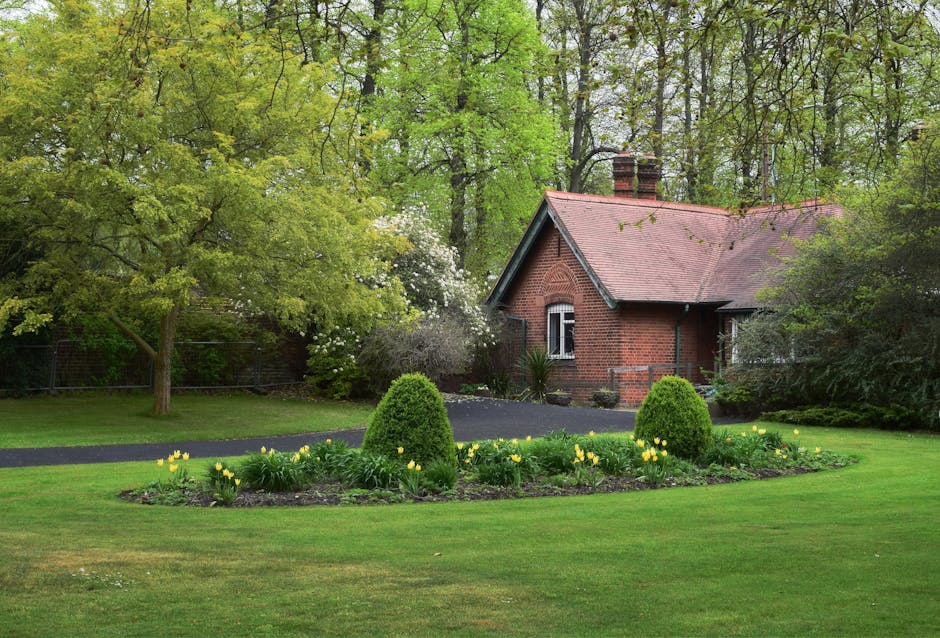
Gardeners for Blackheath Common adjacent properties planting: a practical local guide
If you live near Blackheath Common, planting can feel both exciting and a bit tricky. The setting is leafy, exposed in places, and often shaped by older homes, boundary walls, passers-by, and changing light from open green space. That means Gardeners for Blackheath Common adjacent properties planting is not just about choosing nice flowers. It is about selecting plants that thrive in the local conditions, suit the character of the property, and stay manageable through the seasons.
Whether you want a smart front boundary, a softer terrace, more privacy, or a garden that simply looks cared for without becoming a weekend burden, the right planting plan makes all the difference. In this guide, we'll walk through how the work is usually approached, what tends to go wrong, which methods suit different property types, and how to get results that feel polished rather than fussy. Truth be told, good planting near the Common is often more about restraint than excess.
Why Gardeners for Blackheath Common adjacent properties planting Matters
Homes beside or near Blackheath Common tend to face a slightly different planting brief from a standard suburban garden. The open common can mean more wind, more visible frontages, and stronger contrast between formal homes and informal green space. That changes what works. A plant that looks lovely in a sheltered courtyard may flop, scorch, or just look sorry for itself along an exposed boundary. And let's face it, nobody wants a border that collapses by mid-July.
Planting also affects how a property feels from the street. On roads near the Common, the front garden or verge-facing edge often sets the tone before anyone even gets to the door. Smart shrubs, well-spaced perennials, clipped evergreens, and seasonal colour can create a calm, welcoming frame without making the space feel crowded. Done well, it adds structure, privacy, and a sense of care.
There is also the practical side. Adjacent properties often need planting choices that don't block sightlines, overwhelm pavements, or create maintenance headaches. Roots, self-seeding, leaf drop, and over-enthusiastic climbers can all become problems if the initial plan is too ambitious. A good gardener will think beyond the first flush of bloom and ask: what will this look like in eighteen months? In three years? After a windy winter?
For homeowners who want a broader garden reset, planting often sits alongside landscape gardening, careful landscaping, and ongoing garden maintenance. That combination is usually what gives a space longevity rather than just a quick visual lift.
How Gardeners for Blackheath Common adjacent properties planting Works
The process starts with the site itself. A gardener will look at light levels, soil condition, drainage, wind exposure, privacy needs, and how the property is used day to day. A north-facing front area needs a different planting strategy from a sunny rear border. A narrow strip by railings needs different habits again. Simple enough in theory, but the detail matters.
In practical terms, the work often follows a pattern:
- Site assessment - noting shade, sun, wind, existing plants, and awkward corners.
- Plant selection - choosing species that fit the conditions and the look of the property.
- Soil preparation - improving structure, drainage, and fertility where needed.
- Layout planning - placing taller plants first, then midsize shrubs, then lower planting.
- Installation - planting at the right depth, spacing, and orientation.
- Mulching and watering - helping the bed hold moisture and suppress weeds.
- Aftercare - checking establishment, pruning, and adjusting as the garden settles.
That aftercare stage is where many projects succeed or fail. You can install a beautiful planting scheme and still end up with patchy results if the first few weeks are ignored. New roots need regular moisture, but not drowning. Newly planted shrubs need time. It's not glamorous, but it works.
In some cases, planting is paired with clearance or renewal work first. If a border is full of failed specimens, old roots, or debris, it may make more sense to begin with garden clearance before replanting. If trees are casting too much shade, the planting scheme may need support from tree lopping and removal or selective canopy reduction, always handled with care and proper judgment.
Key Benefits and Practical Advantages
Planting around Blackheath Common adjacent properties is not just decorative. Yes, it improves appearance, but the real value is broader and more practical.
- Better kerb appeal - a clean planting scheme makes a home feel considered and well looked after.
- More privacy without hard barriers - layered planting can screen views gently, which often looks nicer than an overbuilt fence line.
- Seasonal interest - with the right mix, the garden changes through the year rather than looking flat all winter.
- Lower long-term stress - sensible plant choices reduce constant replacements and rescue jobs.
- Better use of space - even a small front garden can feel full of life if the planting is well structured.
- Stronger sense of place - planting can echo the calm, green character of Blackheath without copying it too literally.
There's also a maintenance benefit that people sometimes overlook. The right planting design can reduce weeds, soften hard edges, and make routine work easier. If a space is planted intelligently, ongoing jobs like hedge trimming and lawn mowing become part of a manageable pattern rather than a full-blown battle every other Saturday.
For some households, the biggest advantage is emotional. You step outside with your coffee on a bright morning and the garden looks settled. Calm. Not perfect, just good. That matters more than people admit.
Who This Is For and When It Makes Sense
This kind of planting is a strong fit for homeowners, landlords, and property managers who want the outside space to feel coherent and easy to live with. It is especially useful if the property sits on a visible edge, near a pavement, or in a spot where wind and exposure make "whatever grows there" a poor strategy.
You may need this service if:
- your front garden looks patchy or overgrown and you want a neater street presence;
- you've recently moved in and the planting feels random or tired;
- you need more privacy without losing the open feel;
- parts of the garden get blasted by wind or too much sun;
- you want lower-maintenance planting that still looks good;
- you are preparing a property for sale or letting and want the exterior to present well;
- older shrubs or borders need replacing after a long period of decline.
It also makes sense when you are already planning wider improvements. A new terrace, path, or seating area often looks unfinished until the planting is in place. If that's your situation, pairing planting with decking services or a broader services overview conversation can help you think through the whole garden as one space rather than a set of disconnected jobs.
To be fair, not every garden needs a full overhaul. Sometimes a few well-chosen replacements do the job. Sometimes you need a complete reset. The best answer depends on the site, not on fashion.
Step-by-Step Guidance
If you are planning a planting project near the Common, a simple step-by-step approach keeps things realistic and avoids expensive rework later.
1. Start with the site, not the plant list
Look at where the sun lands during the day, where wind moves through the garden, and which areas stay wet after rain. A plant list chosen from a nice photo can look great on paper and be absolutely hopeless in the wrong corner.
2. Decide what the garden must do
Is the goal privacy, colour, structure, scent, pollinator-friendly interest, or easy maintenance? Usually it is a mix. Write the priorities down. This sounds obvious, but in real projects people often want everything at once. The garden, sadly, does not always cooperate.
3. Choose a planting structure
A strong scheme usually has layers:
- structural plants such as evergreen shrubs or small trees;
- mid-layer plants for seasonal shape and texture;
- ground layer plants for coverage and weed suppression.
This layered approach is what stops a border looking flat in winter or too sparse in summer.
4. Prepare the soil properly
Good soil preparation is not the glamorous bit, but it often determines whether planting thrives. Digging in organic matter, removing weeds thoroughly, and improving drainage where needed all help. If the soil is compacted from years of foot traffic or neglect, it may need more than a quick rake-over.
5. Plant at the right spacing
It is tempting to plant everything tightly for an instant full look. That can be fine in some cases, but over-planting leads to crowding, disease, and endless pruning. Give each plant room to mature. A little emptiness at the start usually saves trouble later.
6. Water and mulch correctly
New planting needs regular watering until roots settle. A mulch layer helps hold moisture and keep weeds down. It also gives the planting bed a calmer, finished appearance. On a windy, bright day near Blackheath, you will notice the difference fast.
7. Review after establishment
After a few weeks or months, plants may need repositioning, pruning, or a slight change in support. Gardens are living systems, not showroom installations. That flexibility is part of the job.
Expert Tips for Better Results
Here are some of the practical habits that usually separate a decent planting job from a really good one.
- Use repetition for calm - repeating a few plant types often looks more refined than cramming in lots of different species.
- Think in seasons - structure in winter, leaf and flower in spring, texture in summer, and warm tones in autumn. If all you have is summer colour, the rest of the year can look oddly bare.
- Match planting to maintenance capacity - if nobody has time for weekly fussing, avoid schemes that demand constant deadheading and staking.
- Balance privacy with openness - especially at the front. Too much screening can make a property feel closed off and awkward.
- Let the architecture guide the planting - older properties near Blackheath often suit elegant, restrained planting rather than tropical drama.
- Plan for growth, not just day one - a shrub that looks modest in April may be a real character by next spring.
One small, practical trick: stand at the pavement or the gate and look back at the house before finalising the layout. That viewpoint tells you more than staring at the bed from inside the border. It sounds simple, but it catches a lot.
And if a plant fails? Replace it thoughtfully, not by panic-buying something shiny on a whim. We've all been there. The garden does not need a heroically impulsive move.
Common Mistakes to Avoid
Some planting mistakes are harmless. Others keep costing money and time. Here are the main ones to watch for.
- Choosing for looks only - a beautiful plant that hates the site is still the wrong plant.
- Ignoring mature size - many problems start when shrubs are placed too close to paths, windows, or one another.
- Overusing thirsty plants - especially in exposed or hard-to-water areas.
- Forgetting maintenance access - if you cannot get to the back of the border, pruning becomes awkward very quickly.
- Creating hidden clutter - old root balls, broken pots, and leftover debris undermine even the best design.
- Not planning for winter - many schemes look fine in peak season and then disappear into a grey blur for months.
- Planting too shallow or too deep - both can affect establishment and long-term health.
Another subtle mistake is letting the border become a collection of "nice bits" with no unifying structure. The result can feel busy, but not in a good way. More like a room full of furniture facing the wrong direction.
Tools, Resources and Recommendations
You do not need a huge kit to get planting right, but the right tools make a visible difference. For small and medium garden projects, the essentials usually include quality spades, forks, secateurs, watering cans or hoses, a wheelbarrow, mulch, gloves, and measuring tools for spacing.
For more involved work, a gardener may also use:
- soil improvers and compost;
- edging tools for crisp boundaries;
- string lines or markers to keep planting straight;
- root barriers where spreading plants could become troublesome;
- supports or stakes for certain shrubs and young trees;
- protective coverings if new planting needs shielding from weather or pets.
In terms of service planning, a good place to begin is a conversation about the broader outdoor space. If the planting is part of a complete refresh, the team may also discuss landscape gardening, structural changes, or even whether nearby hard landscaping needs attention first. For property owners who want confidence around service delivery and standards, pages like insurance and safety and the health and safety policy can help set expectations in plain English.
It is also worth asking about follow-up care. Planting is not a one-and-done task, not really. Good aftercare keeps a scheme looking intentional instead of slightly abandoned.
Law, Compliance, Standards, or Best Practice
For planting near Blackheath Common adjacent properties, compliance usually sits more in the realm of sensible best practice than dramatic legal complexity. Still, there are real responsibilities to keep in mind.
First, plants should not create avoidable hazards. Overhanging growth, obstructed sightlines, blocked access, or trip risks near paths and entrances are all things to avoid. If planting is near a public-facing boundary, it needs to be maintained with care so it does not encroach on shared spaces or make routine access awkward.
Second, if trees are part of the scheme, they need proper consideration from the start. Root spread, canopy size, and proximity to structures matter. In some cases, specialist attention from a tree team is the sensible route, particularly if growth has already become difficult to manage.
Third, waste handling should be done responsibly. Green waste, old turf, dead plants, and soil spoil should be removed or recycled properly where possible. If sustainability matters to you, it is worth asking how waste is sorted and reused. The recycling and sustainability page is a useful place to understand that approach.
Finally, make sure any service agreement is clear on scope, timing, materials, and payment. The practical side matters. A neat planting job is only as good as the arrangements around it, and nobody enjoys muddled expectations. Not once, not twice, not ever.
Options, Methods, or Comparison Table
When planning planting near Blackheath Common, there are usually a few workable approaches. The best one depends on your goal, budget, and maintenance tolerance.
| Approach | Best for | Advantages | Trade-offs |
|---|---|---|---|
| Low-maintenance evergreen structure | Busy households, front gardens, privacy | Looks good year-round, easier to manage | Can feel restrained if not balanced with softer planting |
| Seasonal mixed borders | Homeowners who enjoy colour and variety | More movement, texture, and interest through the year | Needs more upkeep and a sharper eye for timing |
| Formal clipped planting | Period properties and neat street-facing spaces | Smart, tidy, elegant look | Requires regular trimming and consistency |
| Naturalistic planting | Relaxed gardens, larger borders, softer edges | Feels generous and alive, often wildlife-friendly | Can look messy if not designed carefully |
A lot of people think they want "low maintenance" when what they really want is "not boring and not annoying." Fair enough. That usually points toward a balanced scheme: some structure, some seasonal colour, and enough simplicity to keep life easy.
Case Study or Real-World Example
Imagine a modest Victorian property near the edge of Blackheath Common. The front garden has tired shrubs, a bare patch close to the path, and a hedge that has started to sprawl. The owners want more privacy from the street but do not want the house to feel hidden away.
The solution is not to pack the space with everything available. Instead, the gardener starts by clearing dead material, reshaping the hedge line, and checking the soil. The planting plan uses a small number of evergreen structural plants, a few seasonal perennials for movement, and low groundcover to knit the border together. Near the entrance, the planting stays lower so the approach feels open. Toward the boundary, it rises gently for screening.
By early summer, the bed looks fuller. By autumn, the structure still holds. In winter, it does not collapse into a mess. That is the real win. Not flashy. Just steady, attractive, and sensible. You can almost hear the difference in the garden too - less rustle of dry, struggling stems, more quiet order.
That kind of project often works best when planting is supported by routine care and a willingness to adjust after the first season. If there are technical issues, such as awkward slopes, dry pockets, or hard edges, the gardener may also recommend broader landscaping changes before the planting goes in.
Practical Checklist
Use this checklist before starting a planting project near Blackheath Common adjacent properties. It saves a lot of back-and-forth later.
- Have you identified the garden's main purpose: privacy, colour, structure, or low maintenance?
- Have you checked sun, shade, and wind exposure in different parts of the garden?
- Is the soil condition known, and does it need improvement?
- Have mature plant sizes been considered?
- Will the design still work in winter?
- Is there enough access for future maintenance?
- Have any overgrown areas been cleared first if needed?
- Do you have a watering plan for the establishment period?
- Are planting and any nearby hard landscaping properly coordinated?
- Have you chosen a team with clear service information and sensible policies?
For many households, a quick look at the wider maintenance plan helps too. If you are already juggling hedge work, lawn care, and seasonal tidy-ups, a joined-up approach through garden maintenance can make the whole outdoor space easier to manage.
Key takeaway: the best planting near Blackheath Common is usually calm, layered, and designed around the property's real conditions - not just what looks appealing in a nursery on a sunny afternoon.
Get a free quote today and see how much you can save.
Conclusion
Planting for Blackheath Common adjacent properties is about more than filling beds. It is about shaping how a home feels, how private it is, how much care it seems to show, and how manageable the garden remains after the novelty wears off. The best schemes are rarely the busiest ones. They are the ones that make the property look settled, elegant, and quietly looked after.
If you get the structure right, choose plants for the site rather than the catalogue photo, and allow enough aftercare for establishment, the results can be genuinely rewarding. Not perfect, maybe. But very good, and very liveable. That's often better anyway.
And if your garden has been nagging at you for months, that's usually a sign to act. A thoughtful planting plan can change the mood of the whole place, one border at a time.
Frequently Asked Questions
What does Gardeners for Blackheath Common adjacent properties planting usually include?
It usually includes site assessment, plant selection, soil preparation, planting, mulching, watering guidance, and follow-up care. In some cases it also includes border reshaping or help with surrounding maintenance.
Which plants work best near Blackheath Common?
The best plants are the ones that suit your specific light, wind, and soil conditions. In many cases, a mix of evergreen structure, seasonal flowering plants, and low groundcover gives the most reliable result.
Is this type of planting high maintenance?
It does not have to be. A well-planned scheme can be quite manageable, especially if it uses resilient plants and sensible spacing. If you prefer less upkeep, tell the gardener that early.
Can planting help with privacy in a front garden?
Yes, gently. Layered shrubs and strategic planting can soften sightlines without making the frontage feel closed off or awkward. That balance is often the goal near the Common.
Do I need to clear the whole garden first?
Not always. If only part of the border is tired, targeted clearance may be enough. But if there is a lot of dead growth, leftover roots, or poor structure, a more complete reset can save time later.
How long does it take for new planting to settle in?
It varies by plant and season, but most new planting needs a period of establishment. Expect the first weeks to be about watering and adjustment rather than instant perfection.
What is the biggest mistake people make with planting?
Choosing plants for appearance alone. A plant that looks lovely in theory can become a nuisance if it hates the conditions, grows too large, or needs more care than the household can realistically give.
Can planting be combined with landscaping work?
Absolutely. In many gardens, planting works best once paths, terraces, levels, or boundaries are sorted. Combining it with broader landscaping often gives a more joined-up result.
How do I keep planting looking good through winter?
Use a strong framework of evergreens, grasses, or other structural plants, then layer in seasonal interest rather than relying entirely on summer flowers. Winter shape matters more than many people realise.
What should I ask before booking a gardener?
Ask about the proposed planting approach, aftercare, timing, maintenance needs, and how waste will be handled. It is also sensible to check practical details through pages like pricing and quotes and the company's about us information.
Are there any safety concerns with planting near paths or entrances?
Yes. Plants should not obstruct walkways, create trip hazards, or block visibility at entrances. A good gardener will plan the layout so the garden looks welcoming and remains safe to use.
How do I get started if my garden feels overwhelming?
Start with the worst area first. Clear the obvious problem spots, define your main goal, and ask for a simple plan rather than trying to solve everything at once. If you want to talk it through, the contact us page is the natural next step.