Evergreen Trees You Can Grow Even In the Snuggest Garden Nooks
Evergreen trees are often associated with vast landscapes and expansive gardens, but did you know you can also grow them in even the tightest garden corners? Whether you have a petite urban plot, a compact courtyard, or a small shaded area, there are a plethora of compact evergreen trees that thrive in limited spaces and bring year-round color, privacy, and structure to your garden. Discover the best evergreen trees for tight spaces, learn how to grow them successfully, and transform your small garden nook into a lush, green sanctuary.
Why Plant Evergreen Trees in Small Spaces?
Evergreen trees offer numerous benefits for garden design, regardless of size:
- Year-round foliage: They provide persistent greenery, ensuring your garden looks appealing through winter.
- Privacy Screening: Even a single evergreen specimen can serve as a living screen or windbreak.
- Wildlife Habitat: Birds and insects use evergreens for shelter, particularly in the colder months.
- Low Maintenance: Most evergreens are easy to care for, requiring minimal pruning and upkeep.
- Structural Interest: Their consistent shapes and textures add definition to the garden, complementing seasonal blooms.
Finding the right evergreens for small spaces involves more than simple aesthetics. It requires selecting species or varieties that won't outgrow your space, are tolerant of shade, and have favorable growth habits. Below, we detail the best choices for compact evergreen trees ideal for the snuggest garden nooks.
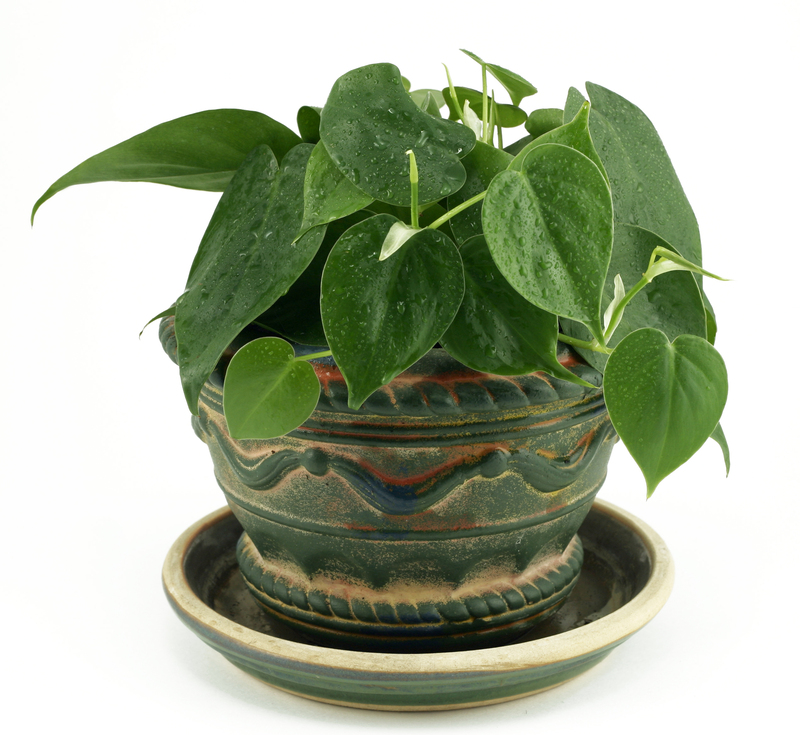
Top Evergreen Trees Perfect for Small Garden Nooks
When selecting evergreen trees for small gardens, focus on slow-growing or dwarf varieties. Here are some top recommendations, along with care tips and ideas for placement.
1. Japanese Holly (Ilex crenata)
Japanese Holly offers glossy, dark green foliage and a compact form, reminiscent of boxwood but denser and hardier in various conditions. With small leaves and a naturally tidy shape, it's perfect for tight corners, containers, and formal garden designs. Dwarf varieties like 'Compacta' or 'Sky Pencil' grow slowly and rarely exceed 4-6 feet in height.
- Sun/Shade: Partial sun to shade
- Soil: Moist, well-drained, acidic
- Height/Spread: 3-8 feet tall, 2-4 feet wide (depending on variety)
- Special Feature: Some types bear attractive black berries, adding winter interest.
Tip: Use in pairs to flank pathways or as a living accent in a container garden.
2. Dwarf Alberta Spruce (Picea glauca 'Conica')
The Dwarf Alberta Spruce is a classic for compact spaces due to its slow growth and curly, bright green needles. Its conical shape makes it a standout evergreen tree for small garden nooks. It grows about 2-4 inches yearly, rarely exceeding 10 feet even after decades.
- Sun/Shade: Full sun to partial shade
- Soil: Moist, well-drained, acidic
- Height/Spread: Up to 6-8 feet tall, 4-5 feet wide after many years
- Special Feature: Its dense growth provides superb shelter for birds and offers decorative winter structure.
Perfect for: Containers, entryways, or as a focal point in a small bed.
3. Boxwood (Buxus sempervirens)
Boxwood is a popular choice for compact evergreen coverage. With its ability to tolerate extensive pruning, it's ideal for small spaces where you need to control size and shape. Varieties such as 'Suffruticosa' or 'Green Gem' maintain a naturally tidy, mounding habit, rarely exceeding 3 to 4 feet tall.
- Sun/Shade: Sun or shade
- Soil: Fertile, well-drained
- Height/Spread: Typically 2-4 feet tall and wide (dwarf types)
- Special Feature: Takes well to topiary forms and hedging, suitable for creative garden design in small corners.
Pro tip: Pair with spring bulbs to enhance visual appeal year-round.
4. Cotoneaster 'Coral Beauty'
This compact evergreen shrub-like tree is celebrated for its arching branches, small glossy leaves, and profusions of bright red berries in autumn. Cotoneaster 'Coral Beauty' is a dense, spreading cultivar that rarely grows over 3 feet high, making it ideal for low, lush groundcover or as a small, textured specimen in a narrow nook.
- Sun/Shade: Sun to partial shade
- Soil: Almost any, but prefers well-drained
- Height/Spread: Up to 2-3 feet tall, 5-6 feet wide
- Special Feature: Attracts pollinators and birds, especially in winter.
Use as a trailing accent along low walls or to soften corners of patios.
5. Yew (Taxus baccata)
Yew is renowned for its longevity and exceptional resilience. While standard yews grow sizable, compact forms such as 'Repandens' or 'Densiformis' are ideal for the smallest garden edges, thriving even in deep shade. Their rich green needles and adaptability to both sun and shade make them especially versatile.
- Sun/Shade: Full shade to sun
- Soil: Moist, well-drained
- Height/Spread: 2-4 feet high, up to 6 feet wide (dwarf types)
- Special Feature: Extremely tolerant of pruning and can be sheared to suit any space.
Choosing the Best Evergreen Trees for Tight Garden Spaces
To ensure success with evergreen trees in restricted spaces, consider the following key factors:
- Ultimate Size: Research the mature height and spread of a tree before planting. Choose true dwarfs or slow-growers where possible.
- Growth Rate: Some evergreens stay small longer due to naturally slow growth.
- Sunlight Requirements: Observe your garden nook's light conditions--select shade-tolerant evergreens for north-facing spots, or sun lovers for south-facing exposures.
- Root Spread: Dwarf trees often have compact root balls, making them suitable for containers or confined beds.
- Soil Needs: Amend soil as needed for good drainage and fertility--just because the spot is small doesn't mean you should skimp on soil quality.
Remember: The best evergreen tree for a small space is one that fits both practically and decoratively, year after year.
More Outstanding Evergreen Trees for Snug Spots
If you're looking to expand your selection, consider these additional evergreens that stand out in confined gardens:
- Eastern Red Cedar (Juniperus virginiana 'Grey Owl'): A juniper with attractive silver foliage, topping out at 3 feet tall--excellent as a low screen or accent near walls.
- Olive Willow (Elaeagnus x ebbingei): Silver-green leaves adorn this tough shrub-tree hybrid, which thrives even in windy or seaside gardens. Dwarf cultivars fit tight spots brilliantly.
- Holly (Ilex aquifolium 'Little Rascal'): A true dwarf holly, offering spiny, deep-green foliage in a compact mound, under 3 feet tall.
- Pine 'Mugo' (Pinus mugo): Dwarf mugo pines grow slowly, rarely over 3 feet, and their rugged needles and mounded shape can handle wind and neglect.
- Osmanthus (Osmanthus heterophyllus 'Goshiki'): This holly-like species boasts variegated foliage and a tight, bushy framework, making it a fine candidate for the shadiest corners.
Understory Trees for Ultra-Compact Gardens
If your space is truly minuscule but you still crave the presence of a "tree," try these slender or columnar species:
- Columnar Irish Yew (Taxus baccata 'Fastigiata'): Grows upright, up to 6 feet tall but only 2 feet wide--ideal for next to a doorway or fence.
- Skyrocket Juniper (Juniperus scopulorum 'Skyrocket'): Slim, blue-green spire for tight vertical accent, thriving in sun and poor soil.
- Little Gem Magnolia: With shiny leaves and fragrant, creamy blooms, this dwarf magnolia maxes out at 8 feet and is perfectly suited for containers or corners exposed to bright light.
Design Tips for Evergreens in Small Gardens
Planting evergreen trees in small garden nooks isn't just about the tree--it's about how you incorporate it into your design for the biggest impact.
Make a Feature of a Single Specimen
If you have room for only one tree, make it count. Choose an evergreen with unique form, color, or texture, such as Picea glauca 'Conica' or Taxus baccata 'Fastigiata'. Underplant with low groundcovers or bulbs to enhance its presence.
Plant in Containers
Container-grown evergreens allow you to use trees even where soil is poor or space is paved. Boxwood, dwarf pines, or holly flourish in well-watered, well-drained pots. Move containers seasonally for changing effects or shelter.
Add Contrast and Color
Pair your chosen evergreen with contrasting foliage--think silver-leaved artemisia, golden hostas, or colorful heucheras. This underlines the evergreen's beauty and keeps the garden visually interesting, even in non-flowering seasons.
Utilize Vertical Space
If your garden is narrow but tall, select columnar or slender varieties to draw the eye upward, making the space feel larger. Trained standards or narrow conifers are perfect for such scenarios.
Care and Maintenance Tips for Evergreen Trees in Small Spaces
To ensure your compact evergreen trees thrive in their snug locations, follow these care tips:
- Water Wisely: Small garden nooks can dry out quickly, especially in containers. Check soil moisture often and water deeply but infrequently.
- Prune Prudentlly: Keep trees tidy and within bounds by pruning after their growth flush, generally in late spring to early summer.
- Feed Annually: Apply a balanced slow-release fertilizer each spring to encourage healthy, even growth.
- Mulch Deeply: Mulching helps retain moisture, suppress weeds, and protect surface roots.
- Watch for Pests: In confined spots, pests may increase rapidly. Check leaves and stems for signs of trouble and treat promptly.
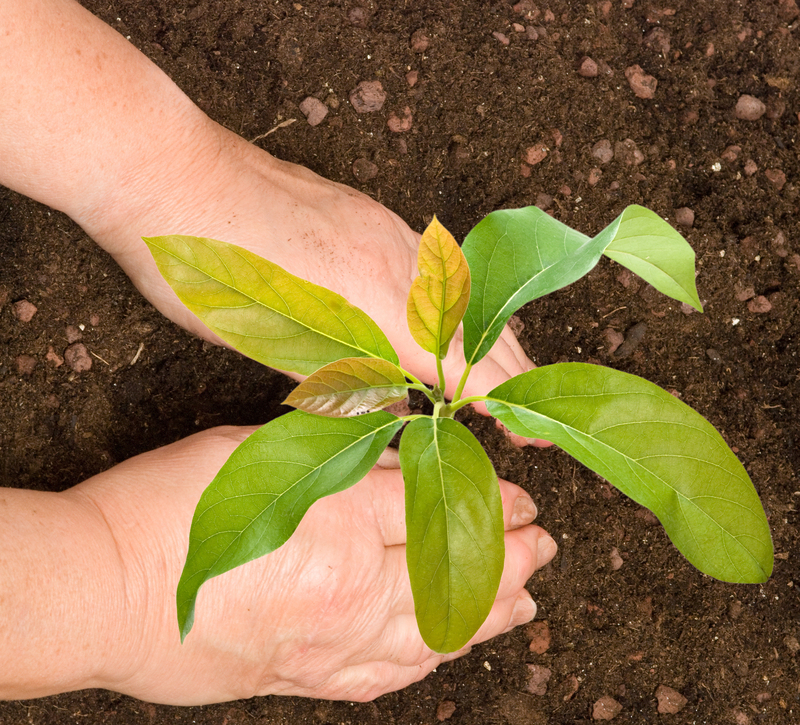
Frequently Asked Questions About Evergreen Trees in Small Spaces
Can evergreen trees really thrive in shade?
Many evergreen trees are adapted to understory conditions in forests and handle shade well. Yew, holly, osmanthus, and some boxwoods are particularly shade tolerant. Just be sure to choose the right species and provide adequate water and nutrients.
What's the best evergreen for a container in a small courtyard?
Dwarf Alberta spruce, compact boxwood, and holly cultivars such as 'Little Rascal' are excellent for containers. They hold their form, tolerate pruning, and won't outgrow the pot quickly.
How often should I prune evergreens in a small garden?
Once or twice a year is usually sufficient. Focus on removing dead or wayward branches and shaping as needed to keep the tree compact.
Are there fragrant evergreens suitable for tight spots?
Yes! Osmanthus (also called "tea olive") produces sweet-smelling flowers, and bay laurel (Laurus nobilis), though often grown as a shrub, can be shaped into a small fragrant tree.
Conclusion: Transform Even the Smallest Space with Evergreen Trees
Don't let limited size restrict your garden's beauty or your ability to grow evergreen trees in the snuggest of garden nooks. With careful selection, thoughtful design, and simple maintenance, you can enjoy lush, green color all year--even if your 'forest' is just a single small tree nestled in a corner. Experiment with different species, containers, and combinations to see what fits best. Remember: a small garden can hold big dreams, and the right evergreen tree is your ticket to permanent, living structure and lasting beauty, no matter how snug your space.