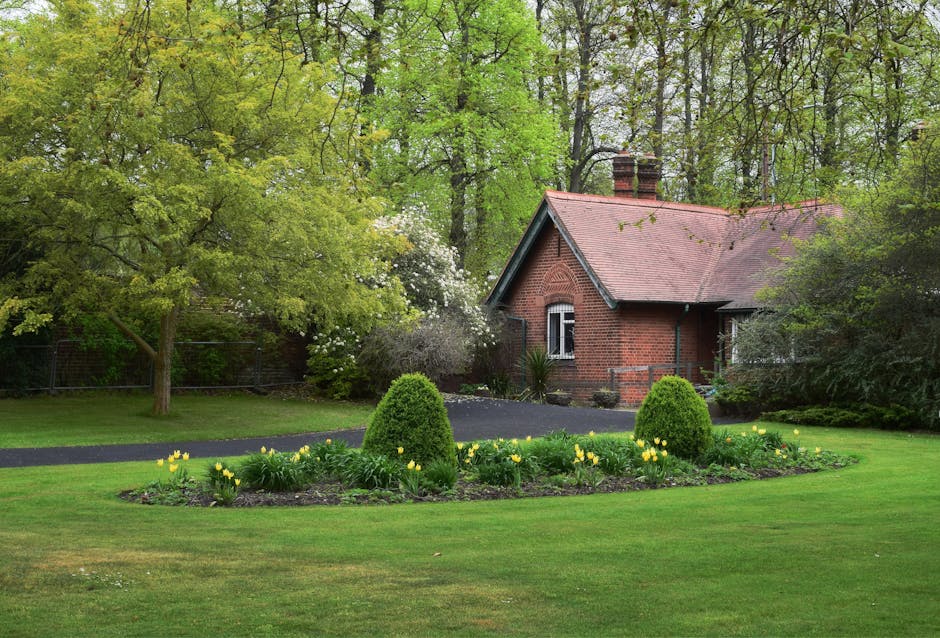
Blackheath gardeners for Vanbrugh Park gardens and terraces

Vanbrugh Park has a very particular feel to it: elegant terraces, mature planting, compact front gardens that need to look sharp, and private outdoor spaces that have to work hard all year round. If you are looking for Blackheath gardeners for Vanbrugh Park gardens and terraces, you are probably after more than a quick tidy. You want a garden that suits the architecture, stays manageable, and still looks welcoming on a grey Tuesday morning as much as it does in late spring.
That is where local knowledge matters. Gardens and terraces in this part of Blackheath often need a careful hand, not a blunt one. Think border shape, light levels, drainage, neighbour considerations, seasonal rhythm, and the everyday reality of London living. This guide walks through how professional garden care works in Vanbrugh Park, what to expect, which services tend to help most, and how to avoid the usual headaches. It is practical, honest, and aimed at people who want the job done properly first time.
- Why it matters
- How it works
- Key benefits
- Who needs this
- Step-by-step guidance
- Expert tips
- Common mistakes
- Tools and resources
- Law, compliance and best practice
- Options and comparison
- Real-world example
- Practical checklist
- Conclusion
- Frequently asked questions
Why Blackheath gardeners for Vanbrugh Park gardens and terraces Matters
Vanbrugh Park gardens and terraces are not one-size-fits-all spaces. Some are tidy, shaded front gardens with clipped hedging and paving. Others are larger family plots with lawn, borders, mature shrubs, and the occasional tree that has grown a little too confidently. Terraces bring their own set of pressures too: access can be tight, storage is limited, and even small changes can affect the look of the whole street.
Good gardening here is partly about appearance, but mostly about balance. You want planting that survives the microclimate of your plot, edging that stays neat, and maintenance that does not turn into a monthly panic. In our experience, the gardens that feel easiest to live with are the ones planned around routine, not heroic one-off clear-ups every six months. Truth be told, that approach saves time, money, and a fair bit of stress.
Local gardeners understand the little things that matter: how quickly weeds can move through a terrace border after wet weather, how shade from neighbouring trees affects lawn quality, and how to keep front gardens smart without overworking the space. That is especially useful in an area like Vanbrugh Park where presentation matters, but so does restraint. Too much change can look out of place. Too little maintenance can make a property feel tired fast.
For many residents, the real value is confidence. You know the garden will not spiral. You know the hedges will stay in check, the lawn will not become a patchy afterthought, and the outdoor space will keep working whether you use it for morning coffee, family time, or simply to enjoy a bit of calm after a long day.
How Blackheath gardeners for Vanbrugh Park gardens and terraces Works
The process usually starts with a proper look at the space. A good gardener will assess access, soil condition, planting structure, hard landscaping, light, drainage, and any problem areas that need immediate attention. On a terrace, this might mean narrow side access, shared boundaries, or a front aspect that needs regular edging to stay crisp. On a larger garden, the focus may be lawn condition, overgrown shrubs, or seasonal reshaping.
From there, the work tends to split into a few strands. Routine maintenance keeps things steady. That can include mowing, trimming, weeding, deadheading, pruning, and clearing away debris. If the garden has become neglected, a garden clearance may be the first step before regular care can begin. For a more ambitious refresh, landscape gardening or broader landscaping can reshape the space so it actually suits how you live.
It also helps to think in layers. The visible layer is what visitors notice first: lawn, borders, hedges, paths, and terrace edges. The hidden layer is just as important: drainage, soil health, root competition, and plant spacing. If the hidden layer is poor, the visible layer will keep letting you down. That is the bit people often miss when they only ask for a tidy-up.
Some projects need a mix of services rather than one neat fix. For example, a front terrace might need hedge trimming, lawn mowing, and a little garden maintenance each month. A rear garden might need a clearance, some tree lopping and removal, and then a more structured planting plan. If timber or seating areas are part of the picture, decking services may also come into play. It depends on the space, really.
Key Benefits and Practical Advantages
There are a few clear reasons why people choose professional help for Vanbrugh Park gardens and terraces instead of trying to keep on top of everything alone.
- Consistency: Regular care prevents the stop-start cycle that makes gardens harder to manage over time.
- Better presentation: Neat borders, trimmed hedges, and clean lines suit the architectural style of the area.
- Healthier planting: Proper pruning, spacing, and lawn care reduce long-term damage.
- Smarter use of space: A terrace or compact garden can feel bigger when it is laid out well.
- Less guesswork: You do not have to wonder whether that shrub should be cut back now or later.
- Reduced risk: Overgrown branches, slippery paths, and unstable waste piles are easier to deal with before they become problems.
There is also a mental benefit that is hard to quantify but easy to recognise. A managed garden changes how a home feels. You step outside and it looks cared for. Sounds simple, but it matters. One tidy border can shift the whole mood of a front elevation. One healthy lawn can make a rear garden feel usable again, even if it is not huge.
For landlords and homeowners alike, regular maintenance can also help protect value. No, a garden will not magically transform a property overnight. But a neglected outdoor area can drag everything down, and that is avoidable with the right routine.
Who This Is For and When It Makes Sense
This kind of service suits a few different people, and the reasons are not always the same.
Homeowners with busy lives often need steady maintenance rather than dramatic redesign. If you are working long hours, travelling, or juggling family commitments, it is easy for a garden to drift. You notice the weeds, then the hedge, then the lawn. Suddenly it is a Saturday project you did not ask for.
Owners of terraces and town gardens usually need an eye for detail and proportion. These spaces are often visible from the street, so the standard is different. A small amount of care can go a long way, while an overgrown corner stands out immediately.
Landlords and managing agents may need reliable turnarounds between tenancies, seasonal resets, or a presentable frontage that does not look neglected. A well-kept outdoor space is a practical asset, not a luxury.
New homeowners are another common group. You move in, and the garden looks fine at first glance. Then you realise the roses are tangled, the lawn is mostly moss, and the back border is hiding three separate generations of weeds. Happens all the time.
People planning a sale or letting often benefit from a quick, targeted improvement. A tidy garden can make photography easier and help the property feel more settled. It does not have to be elaborate. It just has to be cared for.
Step-by-Step Guidance
If you want a garden or terrace in Vanbrugh Park to look good and stay manageable, the best results usually come from a simple, structured process.
- Assess the space honestly. Look at what is thriving, what is struggling, and what simply does not suit the layout anymore. Be blunt. That overgrown shrub by the fence may have had its moment.
- Prioritise the urgent work. Safety issues, access problems, dead growth, and severe overgrowth should come first. A garden clearance can be the right first move when the whole space feels tangled.
- Set a maintenance rhythm. Decide whether the garden needs weekly, fortnightly, monthly, or seasonal attention. For many terraces, a lighter but regular schedule works better than occasional heavy visits.
- Match the service to the surface. Lawn mowing suits established grass areas, hedge trimming keeps structure tidy, and tree lopping and removal may be needed where branches are blocking light or creating risk.
- Improve structure before decoration. If paths, borders, or levels are awkward, fix those first. Then planting and finishing details make sense.
- Review what is left behind. Waste, cuttings, and removed material should be dealt with properly. There is no glamour in this bit, but it matters.
- Keep notes for next time. A decent garden runs better when you know what was done, when it was done, and what needs looking at next season.
That sequence keeps the work realistic. You are not trying to create a show garden out of nowhere. You are building something that fits the property, the season, and your actual life. Big difference.
Expert Tips for Better Results
A few small choices can make a big difference in Vanbrugh Park gardens and terraces. These are the things experienced gardeners tend to notice early.
- Work with the light, not against it. Shaded plots need plants that can cope with reduced sun. A lawn that never really sees enough light will often need a different approach, not just more effort.
- Keep edges crisp. Clean lawn edges and border lines make even modest gardens look more considered. It is a tiny detail, but it changes the whole feel.
- Prune for shape and health. The aim is not just shorter plants. Good pruning opens space, improves airflow, and helps keep growth controlled.
- Do not overload a terrace. Too many pots, ornaments, and tiny features can make a small outdoor area feel cluttered. Less can be better. Really.
- Use hard landscaping to support the planting. Paths, retaining edges, steps, and seating areas should make the garden easier to use, not harder. If timber features are involved, decking services can add structure without overwhelming the space.
- Deal with waste quickly. Cuttings left in damp weather can start to smell unpleasant and make an immaculate space look neglected. Not the vibe anyone wants.
- Think seasonally. Spring is not the same as late autumn. A good plan changes through the year rather than repeating the exact same routine month after month.
One more thing: if a plant looks unhappy in the wrong place, it may be the wrong plant. Not a failure. Just information. Swap it, move it, or simplify the bed. Gardening gets easier when you stop treating every issue like a mystery.
Common Mistakes to Avoid
Most garden problems in this kind of setting are not dramatic. They build up quietly. That is why they are easy to miss until the space suddenly feels out of hand.
- Waiting too long between visits. Once growth gets ahead of you, the work becomes heavier and more disruptive.
- Cutting everything back at the wrong time. Some shrubs and trees respond badly to heavy pruning in the wrong season. A rushed trim can set the whole thing back.
- Ignoring drainage and compaction. If water sits on the lawn or soil is hard underfoot, more watering or more mowing will not fix it.
- Overusing quick cosmetic fixes. A few bags of bark or a spray of feed will not solve structural issues. They can help, but only after the basics are right.
- Choosing plants only for appearance. A plant might look beautiful in a nursery and still hate a windy, shaded terrace. Happens all the time, honestly.
- Forgetting access and neighbours. In terrace settings, noise, timing, and waste movement matter. Respectful work keeps things smooth.
There is also the classic mistake of expecting a one-off visit to keep a garden perfect for months. It rarely works that way. Gardens are living systems, not static rooms. A bit of follow-up care goes a very long way.
Tools, Resources and Recommendations
For most properties in Vanbrugh Park, the right tools are the ones that let the work stay neat, controlled, and appropriate to the space. You do not need every gadget under the sun. Thankfully, gardens are not a toolbox competition.
Useful equipment often includes a quality mower for lawn areas, sharp secateurs for precise pruning, hedge cutters for shaping, rakes and brooms for clearing debris, and proper waste containers or bags for removal. For larger jobs, clearance tools and transport matter just as much as the cutting equipment itself.
For planning, a simple seasonal calendar helps. Mark out when hedges usually need attention, when lawns are at their strongest, and when borders tend to get busy with growth. A few notes in spring can save you a lot of trouble by late summer.
If you are comparing services, it helps to look at more than just the obvious headline. Read how a company explains its services overview, check whether their pricing and quotes approach feels clear, and see whether the business offers practical follow-through with garden maintenance rather than only one-off visits. That combination is often what keeps things stable over time.
For awkward, overgrown, or neglected plots, a targeted garden clearance can make the rest of the work much easier. And if there are larger shrubs or trees crowding the space, tree lopping and removal may be part of the solution, subject to proper judgement and care.
Law, Compliance, Standards, or Best Practice
Gardening work in London is not usually complicated from a legal point of view, but there are still standards that matter. Good practice is about more than appearance. It covers safety, neighbour awareness, waste handling, and working responsibly around trees, access routes, and existing structures.
For example, if a property has mature trees, it is sensible to check whether any restrictions or protections may apply before significant work is carried out. A cautious approach is always better than assuming. Likewise, work near boundaries should be handled carefully, especially in terrace settings where shared walls, fences, or narrow access points can create disputes if people rush.
Waste removal should also be handled properly. Green waste, timber, soil, and mixed debris should not just be dumped somewhere convenient. Responsible disposal is part of the job, and it reflects well on everyone involved. If sustainability matters to you, it is worth asking how material is managed and whether recyclable waste is separated where possible. A good policy on recycling and sustainability is not just a nice extra; it signals care.
Safety matters too. Tools should be used properly, sites should be left tidy, and any work near slippery surfaces, steps, or tight access should be planned with care. If you are inviting contractors in, it is fair to ask how they approach health and safety and whether they carry appropriate insurance and safety arrangements. That is just sensible, really.
For customers, clarity matters as well. It helps to know how payment works, what is included, and how any concerns are handled. Transparent payment and security practices and a clear complaints procedure give people confidence before any work begins.
Options, Methods, or Comparison Table
Not every garden needs the same approach. Some spaces need routine upkeep, while others need a sharper reset before they can be maintained well. Here is a simple comparison that may help.
| Approach | Best for | Typical outcome | Watch out for |
|---|---|---|---|
| Routine maintenance | Managed gardens and terraces that need steady care | Neat, predictable, easy to live with | Can be too light if the garden is already badly overgrown |
| Garden clearance | Neglected spaces, post-tenancy tidy-ups, overrun borders | Space becomes usable again | Needs follow-up maintenance or the mess returns |
| Landscape gardening | Layout changes, new planting plans, functional improvements | Better structure and long-term usability | Takes planning and should suit the property style |
| Hard landscaping | Pathways, edges, seating areas, structural improvements | More durable, clearer outdoor layout | Needs to be balanced with planting so the space does not feel harsh |
| Targeted pruning and trimming | Hedges, shrubs, small trees, light control | Sharper lines, healthier growth, improved light | Overcutting can weaken plants or spoil shape |
The right choice usually depends on what the garden is trying to do. If you mainly need the front of the property to stay neat, maintenance may be enough. If the rear area is hard to use, a more structural approach may be better. And if the whole thing has slipped, a clearance first is often the most realistic route.
Case Study or Real-World Example
A typical Vanbrugh Park job might begin with a terrace garden that looked reasonable from the patio door but had quietly become a bit unruly at the edges. The lawn was thin, the rear border had self-seeded growth, and the hedge had started to lean into the light. Nothing dramatic on its own. Together, though, it made the whole space feel crowded.
The first visit focused on clearing out debris, reducing excess growth, and restoring a clean outline. A hedge trimming visit straightened the boundary and opened up a little more light. The lawn was then brought back under control with lawn mowing, and the borders were reshaped so the planting looked intentional instead of accidental. Simple work, but effective.
After that, the owner moved to a lighter maintenance rhythm. Not weekly, not obsessive, just regular enough to prevent the garden from drifting again. That changed the experience of using the space. Coffee outside became easier. The front of the property looked better from the road. And, perhaps most importantly, the garden no longer felt like a task waiting to happen every time someone opened the back door.
That kind of outcome is common. The best results are often not dramatic transformations. They are steady improvements that make daily life feel calmer. A nice little win, really.
Practical Checklist
Use this checklist if you are planning work on a Vanbrugh Park garden or terrace.
- Identify what needs immediate attention: overgrowth, weeds, dead plants, poor access, or safety concerns.
- Decide whether the space needs maintenance, clearance, or a broader landscaping plan.
- Check which areas matter most: front presentation, rear usability, privacy, or family use.
- Look at light levels and drainage before choosing new planting.
- Make sure waste removal is included or clearly discussed.
- Ask how often follow-up visits are likely to be needed.
- Consider hedge trimming, lawn mowing, and pruning as part of a joined-up plan.
- If trees are involved, ask for careful assessment before any removal or major cutting.
- Review safety, insurance, and payment terms before work starts.
- Think about sustainability and what happens to green waste after the job.
If you can answer those ten points clearly, you are already ahead of most people. No need to overcomplicate it.
Get a free quote today and see how much you can save.
Conclusion
Blackheath gardeners for Vanbrugh Park gardens and terraces are about more than cutting back growth or clearing leaves. Done well, the work supports the character of the property, makes outdoor space easier to use, and keeps small problems from becoming expensive ones. That is especially important in terrace settings, where neatness, proportion, and consistency really matter.
If you want your garden to feel calmer, sharper, and easier to manage, the best step is usually the simplest one: start with a clear assessment, choose the right kind of help, and keep the routine realistic. Gardens reward regular attention, not grand promises. And once the space is back under control, you tend to notice the difference every day, even in the small moments.
There is something quietly satisfying about opening the back door and seeing a garden that just works. Not perfect. Just cared for, and alive.
Frequently Asked Questions
What do Blackheath gardeners for Vanbrugh Park gardens and terraces usually help with?
They typically help with routine maintenance, hedge trimming, lawn mowing, clearance work, pruning, border tidying, and broader landscaping tasks. The exact mix depends on the garden size, condition, and how you use the space.
Do terraces in Vanbrugh Park need different garden care from larger gardens?
Yes, often they do. Terraces usually need tighter presentation, careful access planning, and a lighter touch so the space does not feel crowded. Larger gardens can usually take more structural work and planting variety.
How often should a garden in this area be maintained?
That depends on the garden's pace of growth, but many homes benefit from regular monthly or seasonal visits, with more frequent attention in spring and summer. Fast-growing hedges and lawns tend to need extra care in peak season.
When is garden clearance better than regular maintenance?
Clearance is better when the space has become overgrown, cluttered, or difficult to access. Once the garden is reset, regular maintenance is usually the best way to keep it manageable.
Can a small terrace still benefit from landscaping?
Absolutely. Landscaping does not have to mean a big redesign. Even small changes, like improving layout, adding structure, or refining borders, can make a terrace feel far more usable and balanced.
What should I ask before booking garden work?
Ask what is included, whether waste removal is covered, how the work will be sequenced, and what follow-up care might be needed. It is also wise to ask about safety, insurance, and how the team handles payment.
Is hedge trimming enough to keep a boundary neat?
Sometimes yes, but not always. If a hedge is dense, stressed, or badly shaped, trimming alone may not fully solve the issue. It may need a more considered pruning schedule over time.
What if my lawn is patchy or shaded?
Patchy or shaded lawns often need more than mowing. The problem may be light, compaction, drainage, or unsuitable grass conditions. A gardener can help judge whether restoration, re-seeding, or a different groundcover approach makes more sense.
How do I know if tree work is necessary?
If a tree is blocking light, causing crowding, shedding heavily onto paths, or creating a visible risk, it may need assessment. Careful judgement matters here, because not every tree issue needs removal. Sometimes selective pruning is enough.
Can garden work be done in a way that supports sustainability?
Yes. Responsible waste handling, reusing suitable material, reducing unnecessary removals, and choosing appropriate planting all help. It is worth asking how a contractor approaches recycling and sustainability before the work begins.
What is the main mistake people make with terrace gardens?
The most common mistake is trying to do too much in a small space. Too many pots, too many features, or too many plant types can make the area feel busy rather than inviting. Simpler usually works better.
How do I get started if the garden feels out of control?
Start with a basic assessment and a priority list. Focus first on safety, access, and the biggest visual problems. A clearance followed by a maintenance plan is often the calmest and most effective way forward.